How to Clean Vinyl Siding Without a Pressure Washer?
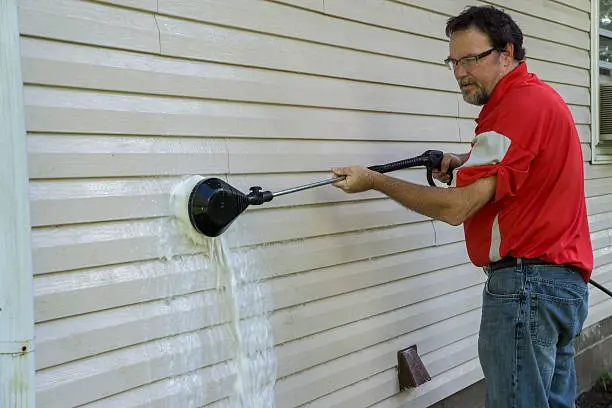
Is your home’s vinyl siding still looking dull and grimy even after a good rain, with mold, mildew, and stubborn dirt just won’t come off? And have you ever wondered, how to clean vinyl siding without a pressure washer?
It’s a question a lot of homeowners ask, because while pressure washers can blast away dirt quickly, they also come with real concerns, like accidentally forcing water behind the siding panels, cracking or warping the material, or even damaging the surface finish if you’re not extremely careful.
The good news? You don’t need to rent a noisy pressure washer or pay a power-washing company to get great results. This article walks you through easy, effective ways you can clean your vinyl siding yourself using common cleaning solutions and safe tools, no high-pressure water required.
What to Do Before Cleaning Your Vinyl Siding?
Proper preparation is essential to completing this cleaning process safely and effectively, leaving no stains.
Safety First
Always remember that an ounce of prevention is worth a pound of cure, so safety should always come first. You have cleaning solutions to remove dirt, mold, or mildew from your house siding.
Dirt or cleaning chemicals may damage your skin and eyes, so always wear rubber gloves, long sleeves, long pants, and safety goggles. For cleaning the upper areas of siding, use a stable ladder on level ground rather than leaning it directly against the siding. Always avoid mixing cleaning chemicals, such as bleach, with other products, as this can create dangerous fumes.
Check the Siding for Damage
While cleaning, you have to ensure that this process will not create bigger structural problems for your house siding. For this purpose, inspect the siding carefully before applying any cleaner or spraying water. Identify cracks, loose panels, gaps, or damaged sealants around windows and doors. If siding is damaged, water can easily get behind it, causing moisture problems or mold that can ultimately destroy the overall structure.
Collect the Right Tools
Work smart, not hard and its practical implementation in vinyl siding cleaning is possible by choosing the right tools. Proper tools can make the cleaning job faster and safer. Collect the following tools:
If you need to clean higher areas, a sturdy ladder or an extension handle brush can help you reach safely without overreaching.
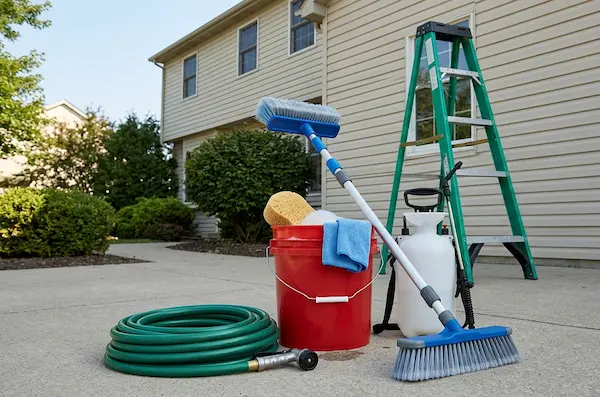
Protect Nearby Plants and Fixtures
Plants also add charm and beauty to your house, like clean siding, so you can’t harm them at any cost. However, plants, grass, and outdoor furniture can be harmed by cleaning solutions and unclean runoff. The perfect solution is to water your plants or cover them with plastic sheets or tarps before starting cleaning. Pre-wetting helps to dilute any cleaner that drips down during washing. You should also move outdoor furniture and close windows or electrical outlets near the cleaning area to avoid water damage.
Choose the Right Weather
Try to clean your siding on a mild or cloudy day. Cleaning solutions can dry too quickly in direct sunlight, leaving streaks or stains on the siding. Working in cooler conditions allows the cleaner to stay on the surface longer and to break down dirt more effectively.
Prepare Cleaning Solutions
Prepare your own cleaning solution, as it always yields better results than any ready-made solution. You need the following three types of cleaning solutions to remove different stains:
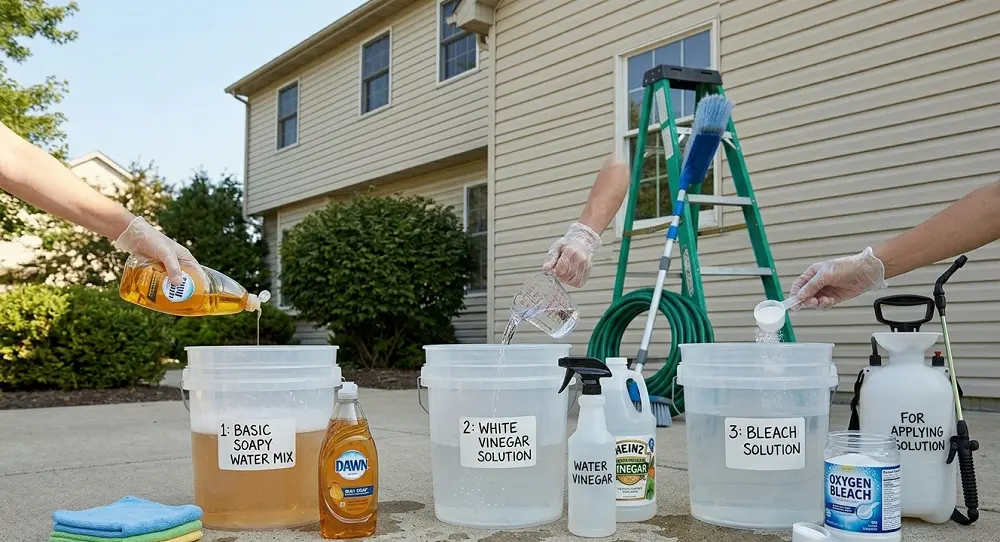
1: Basic Soapy Water Mix (To Remove Dirt, Grime, Soot and Chalk)
Fill a clean bucket with 1 gallon of warm water, then add a few drops of mild dish soap. Gently stir or swish the mixture until it becomes slightly soapy.
2: White Vinegar Solution (To Remove Light Mold & Mildew)
Add 3 parts water and 2 parts white vinegar (or a 3:1 water-to-vinegar ratio) into a bucket or spray bottle. Mix the solution gently so the vinegar and water combine well.
3: Bleach (Mold & Mildew)
As different brands use different strengths, measure the oxygenated bleach product according to the package instructions. Pour the measured oxygen bleach into a bucket or spray bottle of warm water and mix gently until fully dissolved.
What NOT to Use
Don’t use undiluted bleach, acetone, solvent cleaners, or abrasive pads, as they can discolor or damage siding.
How to Clean Vinyl Siding Without a Pressure Washer – 5 Steps
This is the most crucial part if you really want to know how to clean vinyl siding without a pressure washer. After preparing the cleaning solutions as described above, you have to follow the following steps:
Step 1: Pre-rinse / Clean the Entire Siding
Start by lightly rinsing the siding with a garden hose and spray nozzle. Spray water downward to remove loose dirt, dust, spider webs, and pollen from the surface. This first rinse prevents dirt from scratching the siding when you start scrubbing and makes the cleaning solution work more effectively.
Step 2: Apply Cleaning Solution
Choose the right cleaning solution depending on the type of stain:
Use a sponge, soft brush, or spray bottle to put the solution on. Work in small sections (about 5×5 feet) so the cleaner does not dry on the surface before you rinse it. If the cleaning solution dries too fast, it may cause streak marks or leave behind residue on the siding surface.
Step 3: Scrub Gently
After applying the solution, use a soft-bristle brush or a microfiber wash brush to scrub the siding gently. Start from the bottom and work your way up, as this helps prevent dirty water and soap from running down and creating streaks. Focus on areas where dirt tends to accumulate, such as corners, near gutters, and around windows and doors.
Step 4: Rinse Thoroughly
Once a section has been scrubbed, rinse it with clean water using your garden hose. Always rinse from top to bottom so the dirty water flows down and off the siding. Keep rinsing the siding thoroughly until every bit of soap and cleaning solution has been washed away. Leaving residue behind can cause streaks or attract more dirt later.
Step 5: Spot-Clean Tough Stains
If you still notice dark spots, mildew patches, or stubborn grime, treat those areas again. Apply the vinegar solution for light mildew or oxygen bleach for tougher mold stains. Let the solution sit for a few minutes to break down the stain, then gently scrub and rinse again. This targeted cleaning helps remove stains without over-scrubbing the entire siding surface.
- You can take advantage of our siding power washing services in Las Vegas if you need professional help for a deeper and more effective cleaning.
Maintenance Tips
Clean Annually or Every 6–12 Months
Cleaning your vinyl siding at least once a year helps prevent dirt, mold, pollen, and grime from building up on the surface. Regular cleaning keeps the siding looking fresh and also protects it from long-term staining or discoloration. In areas with more humidity, trees, or pollution, cleaning every 6–12 months is recommended to maintain their appearance and durability.
Rinse Siding After Heavy Rains or Pollen Season
After heavy rains or during pollen season, debris and pollen can stick to the siding, leaving visible stains. A light rinse with a garden hose can remove pollen, dust, and other debris before they dry and stick to the surface. This easy step helps keep your siding looking clean for a longer time and minimizes the need for more intensive cleaning later.
Inspect for Damage or Oxidation Regularly
Take time to inspect your siding every few months for cracks, loose panels, gaps, or fading (oxidation). Small problems can allow moisture to get behind the siding, potentially leading to mold or structural damage if left unchecked. Routine checks allow you to identify problems early, enabling repairs before they turn into expensive issues.
Frequently Asked Questions
What is the best solution to wash vinyl siding?
As a professional power washer, the best cleaning solution depends on the type of dirt or stain. For general cleaning, a simple mix of warm water and mild dish soap works well to remove dirt and grime. For mold or mildew, a white vinegar solution (about 70% water and 30% vinegar) or an oxygen bleach solution mixed with water is more effective while still being safe for vinyl siding.